
The Chemistry and Physics of Rocket Engines

Propellants and oxidizers can be produced in modular plants near your rocket launch site. Chemical Propulsion The chemistry of traditional rocket engines is best described as combustion. Over the years many chemical systems have been used, which include but are not limited to: Propellent Hydrazine Highly Refined kerosene (RP-1) Liquid Hydrogen Highly … [Read more...]
Ferrofluids as Catalysts in the Process Industries

This document connects three research subjects concerning ferrofluids, i.e. the synthesis and use of catalytic magnetic colloids, process intensification and ferrofluids in general. Ferrofluids are nano particles of magnetite suspended in an aqueous or oily based substrate. They are made from a mixture of FeCl2, FeCl3 and water. Co-precipitation occurs with the … [Read more...]
Sodium Hydrosulfide (NaSH)-An Alternative to Sulfur Production
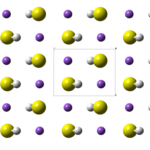
Introduction Sodium Hydrosulfide (NaSH) solution is an alternative product to sulfur from hydrogen sulfide. Much hydrogen sulfide ends up on solid bed medias such as iron sponge or Sulfatreat®. This is disposed of in landfills. These processes are justified in most cases. Depending on your production rate of hydrogen sulfide, a Claus Unit may be just what you need. However, … [Read more...]
Hydrogen Sulfide Removal from Refinery Gas Streams

Hydrogen Sulfide (H2S) Hydrogen Sulfide (H2S) is a colorless, flammable and extremely dangerous gas. It is found in many refinery streams such as crude oil, asphalt, residual fuel, mid distillate, gasoline and blend components. As well as natural gas, propane and LPG. It is heavier than air and can travel along the ground. Protection Against H2S Exposure In concentration as … [Read more...]